Are VPNs Legal To Use
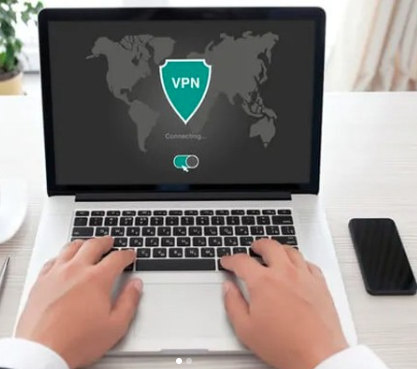
As people seek to protect their online privacy and access content, virtual private networks (VPNs) have become increasingly popular. While the technology is legal in many countries, some have restricted or banned them. This article provides a comprehensive guide to the legality of VPNs worldwide, including information on where they are legal, illegal or restricted.
Are VPNs Legal To Use?
The legality of VPNs has sparked much debate as concerns over online privacy and government surveillance have continued to grow. While the answer seems straightforward in some locations, the truth is that it’s a complex and nuanced issue that varies per country.
In most jurisdictions, the use of VPNs is legal. Some countries such as the U.S. and the U.K. allow citizens to use these tools to protect their online privacy and access geo-restricted content.
In contrast, many countries ban VPNs as part of broader efforts to control internet access and suppress dissenting voices. In 2017, Russia passed a law requiring all VPNs to be registered to protect national security. Likewise, the Chinese government has blocked VPN services and prevented citizens from bypassing its “Great Firewall.”
It’s also worth noting that while VPNs are legal in most countries, the activities they’re used for may not be. For example, using the software for hacking or downloading copyrighted material is still against the law even if the VPN itself is legal.
Whatever the reasons for its restriction, it is clear that VPNs remain a controversial and sensitive issue. While some view them as a threat to national security or social order, others see them as a vital tool for online privacy and free speech.
Reviewer overview
Are VPNs Legal To Use - /10
Summary
As people seek to protect their online privacy and access content, virtual private networks (VPNs) have become increasingly popular.
0 Bad!