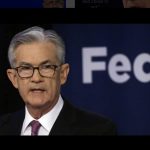
Goldman Sachs does not Think the Fed will Raise Rates

The fall of the US bank Silicon Valley Bank has radically changed the pace of investors. If just a few days ago they expected the Fed to speed up rate hikes at its meeting next week, fear of a banking crisis in the US is spreading the idea that there will be no rate hike at the March meeting. This is already believed by Goldman Sachs, an announcement that is sinking bank prices and causing sharp declines in bond yields.
“In light of the tension in the banking system, we no longer expect the FOMC to raise rates at its next meeting on March 22,” anticipates the US bank, which previously expected a 25 basis point rate hike. Until last Friday, the day the SVB collapse was reported, investors even believed a March rate hike of 50 basis points was possible, an option Jerome Powell had even suggested in his speech last week.
The bankruptcy of the SVB has, however, radically changed market expectations and bond yields are plummeting today. The US two-year bond yield has fallen by almost 40 basis points, in line with the decline in the German two-year bond. In the longer terms, the decline is also notable, from almost 20 basis points in the yield of the US decade bond.
The banking turmoil in the US comes just the eve of the meetings that the ECB and the Fed will hold in the coming days. The ECB meets this Thursday and the market is already pricing in a much less aggressive rise: futures now point to the Rates in the euro zone will not rise beyond 3.56% in October for the deposit facility, compared to 4.20% estimated last week. In fact, it is the first time since mid-February that the market anticipates a terminal rate for rates in the euro zone below 3.75%.
The Fed will meet on March 21 and 22 and the expectation of increases has also cooled down sharply. Futures now forecast rates to go no higher than 4.8% in June and to have fallen to 4.2% by January 2024. Prior to the SVB bankruptcy, the forecast was for rates to go as high as 5 .5% in July.
The fall of SVB, and its threat of contagion to other medium-sized banks in the US, has in fact highlighted the adverse effects of rate hikes on certain types of financial institutions that had made aggressive purchases of debt and are now seeing how that bond portfolio has been depreciated. Thus, SVB chose to invest in bonds, at high prices, the liquidity that it had captured from the deposits of the firms with which it worked, mostly from the technology sector, and was forced to assume heavy losses when it had to sell those bonds. to meet the liquidity needs of its clients, who last week began to withdraw their savings en masse.
Reviewer overview
Goldman Sachs does not Think the Fed will Raise Rates - /10
Summary
The fall of the US bank Silicon Valley Bank has radically changed the pace of investors.
0 Bad!