Heathrow and EasyJet Updates on Flight Chaos as Both Reveal Big Financial Hits
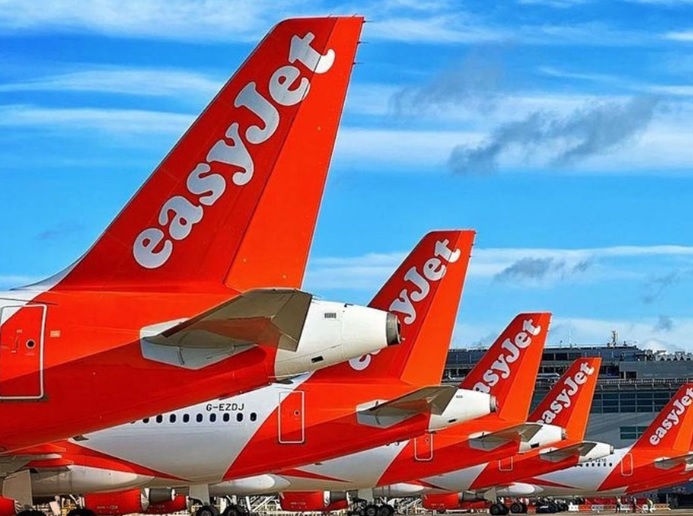
Heathrow Airport and easyJet, two players in the aviation sector hit by this year’s flight chaos, have revealed major financial hits as they outline how they will cope during the summer rush.
The budget airline said cancellations and delays caused by labor shortages at airports and in the air cost it £133m in the last quarter to the end of June.
EasyJet said its operations are now “back to normal” following a frenzy of schedule cuts following the end of the COVID pandemic restrictions. to travel.
Heathrow, which has also struggled to recover demand, painted a similar picture of its ability to steer crowds through the summer rush.
However, he argued that airlines’ ground handling services continue to reduce reliability.
Earlier this month – and in addition to a government amnesty for the UK that allowed airlines to cancel flights without fear of losing valuable take-off and landing times – Heathrow imposed an additional limit on the number of departing passengers to increase resilience.
He said people who had been using the airport since last Thursday had enjoyed a “smooth and reliable journey” despite the lack of ground services.
The airport said increased passenger numbers meant first-half adjusted loss before tax narrowed by £466m.
However, it remained in the red by the same figure at £321m and said it would not forecast a dividend this year as a result.
EasyJet reported a pre-tax loss of £114m for the third quarter.
EasyJet now operates a stable flight schedule
He cited the “unprecedented upswing” in aviation, along with a tight labor market, for his operational challenges.
“We have taken measures to build the additional resilience needed this summer and the operation is now back to normal,” CEO Johan Lundgren told investors.
Despite the problems, it announced that it had fulfilled 95% of the planned schedule and flown 22 million passengers in the quarter.
What is behind UK airport delays?
He said July, August and September are 71% booked, with occupancy slightly above 2019 and yield on tickets sold 13% higher than pre-pandemic levels.
Heathrow boss John Holland-Kaye said of the performance: “The summer holidays at Heathrow are off to a good start thanks to early planning and keeping demand in line with the airline’s ground handling capacity.”
But he added: “We cannot ignore that COVID has left the aviation sector deeply vulnerable and the next few years will require investment to restore capacity with a focus on safety, customer service, resilience and efficiency.
“Airlines need to recruit and train more ground handlers; airports need to catch up on underinvestment in the COVID years – at Heathrow this means replacing the T2 baggage system and new security lanes.”
Reviewer overview
Heathrow and EasyJet Updates on Flight Chaos as Both Reveal Big Financial Hits - /10
Summary
0 Bad!