The Big Breakthroughs of the Year in Leukemia
The American Hematology Association (ASH) conference two weeks ago in the United States presented some sensational hematological breakthroughs – from cellular therapy to a second line of treatment, through two-way antibody technology to a new drug to prevent complications from donor bone marrow transplantation. Dr. Avraham Avigdor Mishba Ron Ram from Ichilov talks about the most current studies that are about to change the face of medicine.
The ASH Conference of the American Society of Hematology held annually in December is considered the most important event in the world in the field of hematology. The conference, held two weeks ago for the 63rd time in Atlanta in the United States, presented some important medical breakthroughs that are set to revolutionize medicine in the coming years.
“In recent years, the conference has presented more and more groundbreaking research,” notes Dr. Avraham Avigdor, director of the Hemato-Oncology Institute at Sheba Tel Hashomer Medical Center. Significant breakthroughs and a variety of new technologies and treatments. ”
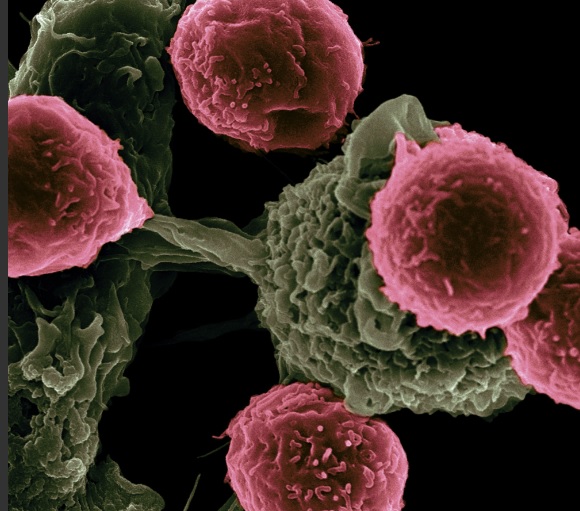
One of the great revolutions that the field of hematology has undergone in recent years is the CAR-T method that treats and even cures various types of blood cancers. “This is a treatment that ‘educates’ the T cells in the immune system so that they recognize the cancerous growth. The re-education is done using methods of genetic engineering. New genes are inserted into the T cells and returned to the patient. After the return, the engineered cells attack the lymphomas and Eliminate them. ”
The treatment, which entered the health basket in Israel in 2019, is currently intended for the treatment of third-line patients with B-type lymphoma and B-type leukemia. The studies presented at the ASH conference sought to show that CAR-T treatment for lymphoma is more effective and safer in second-line treatment than self-bone marrow transplantation. “This is a real breakthrough. This means that the CAR T-treatment may replace the bone marrow transplant, which is still considered an effective treatment for recurrence of the disease, but involves high doses of chemotherapy,” explains Dr. Avigdor.
The largest and most significant study on CAR-T was presented at the opening session of the ASH conference and showed preliminary data in DLBCL patients. The study found that 42.6% of patients survive 5 years after a single infusion of the CAR-T drug, which was developed in Israel and was born at the Weizmann Institute. During the follow-up period of the study, 92% of the patients who received the drug did not need any additional treatment after the only treatment given to them.
Although these are preliminary data, it seems to be a breakthrough as this is the first time that studies show a low chance of recurrence of a disease after CAR-T treatment compared to a bone marrow transplant. Beyond the benefit of CAR-T treatment, it is important to remember that a significant proportion of patients whose disease is recurrent are not suitable for self-transplantation due to background and age diseases and for whom CAR-T is at least as good an alternative as self-transplantation, “explains Prof. Ron Ram, director of the unit Bone marrow transplants at Tel Aviv Ichilov Medical Center, one of the hospitals that took part in the large study presented at the conference.
“It is very exciting to experience the history and development of CAR-T treatment. It is a real revolution, and the treatment significantly improves the survival of the patients. Until a few years ago, the estimated survival of these patients was only 10%. Today we are talking about “Currently, 50% of patients will survive for a long time. Currently, CAR-T is a groundbreaking treatment for lymphoma and leukemia, and in the future I believe that it will also reach other oncological diseases,” says Prof. Ram.
Antibodies to lymphoma and treatment of transplant complications
The conference also presented important innovations in the field of bone marrow transplants this year. “One of the significant complications of donor bone marrow transplantation is the graft-versus-host disease,” explains Prof. Ram. “A significant proportion of patients do not respond to the first lines of treatment and the bone marrow transplant from a donor is designed to mobilize the immune system to fight malignancies, especially leukemia, leukemia. Implant disease against the host (patient) occurs in about 50% of patients, 50% will not respond to the treatment line “The first one was given by steroids. In the last two years, the FDA has approved three drugs for the disease, but there is still a significant group of patients whose disease is progressing, their quality of life is impaired and some even die from the disease.”
Prof. Ram explains that one of the recently studied mechanisms in graft-versus-host disease is related to macrophage activity, “these cells are part of the immune system cells that exacerbate the inflammatory and scarring process.” The latest ASH conference presented an innovative study that first showed significant antibody activity to macrophage activity that elicited a significant response, “followed by a decrease in disease intensity and extent – about 70% of patients responded to treatment. This is a very significant response rate. And research using this antibody is about to be developed in transplant centers in Israel. ”
About another study presented at the conference, Dr. Avigdor says: “The study concerns the biological treatment of lymphoma using bipolar antibody technology. The technology works so that one head of the antibody binds to the protein on top of the lymphoma cells and the other head binds to the protein of the T cells called CD3, and together they activate the T cells against the lymphoma cells. They actually do the same action of the CAR-T cells. ”
Bipolar antibody technology, explains Dr. Avigdor, is another significant step toward chemotherapy-free cancer therapies. We still do not know how antibody and CAR-T therapies will fit into the therapeutic paradigm of lymphoma patients. In my opinion, in four or five years we will know how to build the treatments for lymphoma, which will be treatments without chemotherapy. ”