WTO Panel Concludes that Costa Rica Applied “A Disguised Restriction on International Trade” in The Case of Mexican Avocado
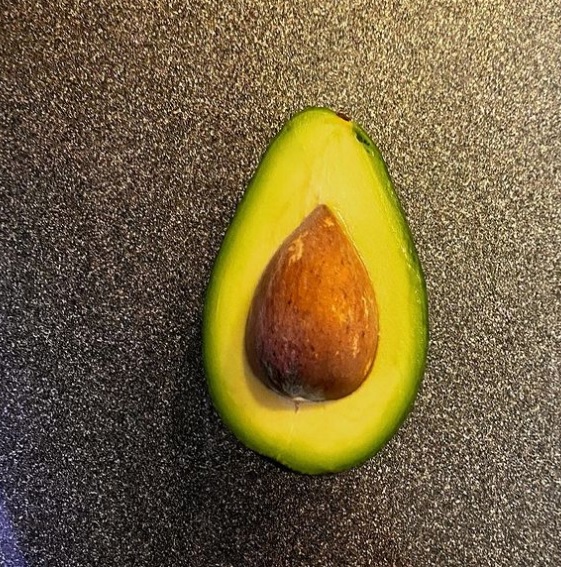
Cota Rica applied “a covert restriction on international trade” based on its restrictions on the importation of avocado from countries with the presence of the Avocado Sunblotch Viroid (ASBVd) pest. The panel that studied the case of the importation of Hass avocado from Mexico, at the request of the World Trade Organization (WTO), reached that conclusion.
Mexico took the case to the WTO, in 2017, before the organization’s Dispute Settlement Understanding mechanism.
The panel notified its conclusions on April 13 to the members of the WTO, which were communicated by the Government of the Republic through a statement in which it stated that it would “accept” what was indicated by the panel, although it did not yet indicate how. ..
The panel noted among its conclusions and recommendations that Costa Rica “did not guarantee that its phytosanitary measures are based on an assessment, as appropriate to the circumstances, of the risks to plant life or health”; and that its risk assessment “did not take into account the available scientific evidence and the prevalence of specific diseases or pests.”
“Costa Rica has acted in a manner incompatible with Article 2.2 of the SPS Agreement (on Sanitary and Phytosanitary Measures), by not guaranteeing that its phytosanitary measures; that is, the Resolutions DSFE-002-2018 and DSFE003-2018, which contain the phytosanitary requirements, are based on scientific principles”, the panel pointed out.
Regarding the discriminatory measures against free trade, the entity pointed out that Costa Rica had practiced “discrimination” or “a disguised restriction on international trade” by proposing “arbitrary or unjustifiable distinctions in the levels of protection” between fresh avocados imported for consumption from countries where ASBVd is present versus domestic Costa Rican avocados where ASBVd is likely to be present.
“Costa Rica’s phytosanitary measures, that is, Resolutions DSFE-002-2018 and DSFE-003-2018, which contain phytosanitary requirements, arbitrarily or unjustifiably discriminate between its own territory and that of Mexico, and are applied in such a way that they constitute a disguised restriction on international trade”, says the resolution of the panel.
Costa Rica stopped issuing permits for the import of the fruit from Mexico, the main producer of it in the world, since 2015. But the measure also affected other markets.
Government response
The Government is studying the panel’s ruling to determine how it will accept its recommendations. According to the Presidency, the administration “is analyzing the possible alternatives to comply with what was determined by the panel.”
“Today we have received the notification on the avocado case and Costa Rica will accept the resolution of the panel of experts. For this reason, I have already issued the necessary instructions in order to prepare the necessary adjustments in the phytosanitary protection measures related to avocado imports, in order to fulfill our obligations in the multilateral trade framework,” said the Minister of Agriculture. Renato Alvarado, in a press release, without giving further details about it.
Reviewer overview
WTO Panel Concludes that Costa Rica Applied "A Disguised Restriction on International Trade" in The Case of Mexican Avocado - /10
Summary
Cota Rica applied "a covert restriction on international trade" based on its restrictions on the importation of avocado from countries with the presence of the Avocado Sunblotch Viroid (ASBVd) pest.
0 Bad!