Chia Seeds Major Effects Benefits
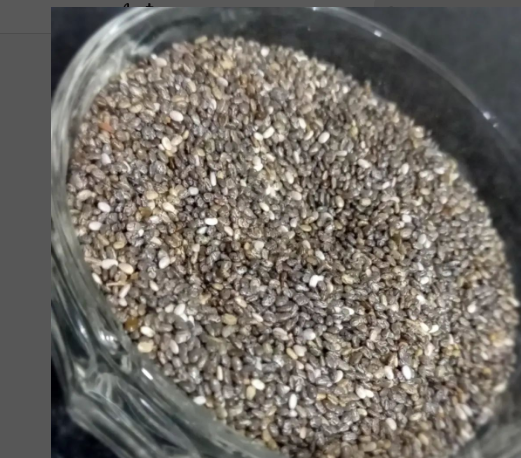
Chia seeds, have become a new favorite in the health food industry in the past 20 years. It used to be one of the staple foods of the Aztecs in South America a thousand years ago. Therefore, it is regarded as a super food. In addition, it has the properties of swelling after water absorption (up to 15 times the weight of the seed) and high fiber, which can slow down the conversion of starch into sugar in the stomach. It is regarded as a weight loss holy product.
In various cases, chia seeds are considered to have potential benefits in the control of diabetes, dyslipidemia, hypertension, anti-inflammatory, antioxidant, anticoagulant, constipation, antidepressant, anxiolytic, analgesia, vision and immune improvement, etc. But is it really backed up by medical research? See in-text analysis.
Chia seeds are the seeds of chia sage from the Lamiaceae family, originating from Central and South America (northern Mexico and the first generation of Guatemala), the word chia comes from the ancient Aztec word Chian, meaning rich. Oily (non-heralded magic power)
Chia seeds have been used in food, folk medicine, cosmetics and as part of socio-religious rituals since 1500 BC
Seeds vary in colour from black, grey, black-spotted to white, oval in shape and 1mm to 2mm in size.
In addition to this, it is also a source of many vitamins (thiamine, riboflavin, niacin, folic acid, vitamin C and vitamin A) and minerals (calcium, phosphorus, potassium and magnesium)
Due to these characteristics, chia seeds have become one of the most watched crops in the feed, food, medicine, nutrition and other industries recently.
3 kinds of health foods that are beneficial to urinary tract infections (the 1st most asked)
4 Alternative Therapies That Benefit Upper Respiratory Infections (The 1st Most Asked About)
What are the scientifically proven benefits of chia seeds/chia seeds?
1. Chia Seeds Improve Inflammation
C-reactive protein (C-reactive protein) is a non-specific biomarker (first discovered in 1930 by Tillet and Francis investigating serum pneumococcal infection), which is found in most tissue injuries, infections, cardiovascular disease, autologous It rises rapidly after acute inflammatory events, including immune diseases and malignancies.
In a single-blind crossover design study (12 weeks in 20 well-controlled subjects with type 2 diabetes), chia seeds (37 g daily intake) were compared to a control group eating wheat bran. It can reduce inflammatory markers: high-sensitivity C-reactive protein (hs-CRP) by 40%. Note 1
*Conclusion: The intake of chia has a positive effect on reducing the inflammatory marker hs-CRP, but limited by the small number of samples, more research is needed to prove it.
2. Chia seeds are good for blood pressure regulation
Blood pressure is the pressure in the main arterial system of the human body, the unit is mmHg, it is usually divided into systolic blood pressure and diastolic blood pressure.
Systolic pressure is the maximum blood pressure during ventricular systole, and diastolic pressure is the minimum pressure recorded before the next systole.
Our bodies are able to regulate blood pressure as needed, and when high blood pressure occurs for no specific reason, it is commonly referred to as “essential” hypertension and is by far the most common type of high blood pressure.
A randomized, double-blind, placebo-controlled study (12 weeks in 29 patients with stage 1 hypertension) showed that, regardless of treated or untreated hypertension, consumption of chia flour (daily chia flour) A dose of 35 g) has the effect of helping to regulate blood pressure. Note 1
*Conclusion: Chia seeds may have positive effects on blood pressure regulation, but limited by the small sample size, more large-scale trials are still needed to prove it.
3. Chia seeds are rich in omega-3 fatty acids
Chia seeds contain 25% to 40% oil, 60% of which are omega-3 fatty acids (alpha-linolenic acid (ALA)) and 20% omega-6 fatty acids (Linoleic acid (LA))
Among them, omega-3 can regulate a variety of molecular processes and exert pleiotropic effects, including: anti-inflammatory, lowering triglycerides, protecting the heart, anti-arrhythmic, and even beneficial cognitive function
One study (7 weeks in 10 postmenopausal women) showed that ingestion of milled chia seeds increased plasma levels of ALA and EPA, but not DPA and DHA. Note 1
Although the human body can convert ALA into EPA and DHA through enzymes, studies have found that the conversion efficiency is extremely poor, only about 0.3% (EPA) and less than 0.01% (DHA) can be successfully converted
*Conclusion: Although Chia seeds are rich in omega-3 fatty acids (ALA), the conversion efficiency to EPA and DHA may be poor
4. Chia seeds are rich in calcium and can improve bone health
Chia seeds contain a variety of nutrients that promote bone health, including calcium. phosphorus. Magnesium and Protein
The calcium content is 631 mg per 100 grams, which is about 6 times that of milk (110 mg of calcium in 100 grams of milk). For people who are lactose intolerant or do not drink milk , Chia seeds are a very good source of calcium
An animal study found that consuming chia seeds may help increase bone mineral content. Note 1
*Conclusion: Chia seeds are rich in calcium, magnesium, phosphorus and protein, all of which are essential for bone health.
4 Health Foods That Benefit Osteoporosis (The 1st Is Very Important)
5. Chia Seeds Boost Weight Loss
According to information released by the World Health Organization, the global obesity population has doubled in the past 20 years, and about 1.9 billion adults are overweight, of which 600 million are obese
Obesity not only causes psychological stress, but also has a wide range of physical effects, including type 2 diabetes, osteoarthritis, hypertension, coronary artery disease, various forms of cancer (endometrial, breast, ovarian, prostate), and cognitive impairment are associated with
In a double-blind, randomized, controlled trial (6 months in 77 overweight or obese diabetic patients on a calorie-restricted diet), consumption of chia seeds resulted in significantly greater reductions in chia seeds than a control group consuming oat bran. weight and improve the effect of obesity-related risk factors such as C-reactive protein and adiponectin. Note 7
The mechanism behind it may be related to the fact that chia seeds are rich in dietary fiber, which can relieve hunger and reduce postprandial blood sugar after ingestion
*Conclusion: The additional use of chia seeds in addition to a calorie-restricted diet has the effect of improving weight loss
6. Chia seeds are rich in many nutrients
Chia seeds were used as a staple food by the ancient Aztecs because they are rich in nutrients and give you energy after eating, and these benefits have become a food wonder after being discovered by modern people. sub-seed craze
The following are the nutrients in chia seeds per 100 grams
Carbonized compounds: 44g (contains 38g of dietary fiber)
Protein : 15.6 g
Fat : 30.8 g (contains 17.8 g of Omega-3s)
Calcium: 631 mg
Iron: 7.72 g
Magnesium: 335 g
Zinc: 4.58 mg
Copper: 0.9 mg
Manganese : 2.2 mg
In addition, there are vitamins B1, B2 and B3, so don’t underestimate this seed. The nutrient density in it is very high. It can be said to be the number one whole grain food, and it does not contain allergenic gluten ( Gluten-free), it is best to make sure the product is certified organic and not genetically modified before buying
7. Chia seeds are low in calories and high in fiber
Among the nutrients above, each hectogram of chia seeds contains 44g of carbonized compounds, but 38g of which is dietary fiber, accounting for about 40%, which is a high-quality source of fiber. These dietary fibers do not contain calories and will not cause blood sugar to rise. It can also be used as food by good bacteria in the intestine, which can help good bacteria grow and promote gastrointestinal function. Note 2
And because of its fiber-rich properties, it can absorb 10 times its own volume of water, and it will turn into a gel-like substance when it encounters water. After eating, it can increase satiety, reduce cravings for sweets, and reduce sugar. The speed of absorption, so that you will not eat too many calories
8. Chia seeds stabilize postprandial blood sugar and increase satiety
For people with diabetes and the general population, postprandial blood glucose values are considered to be an important risk factor for cardiovascular disease, stroke, retinopathy, renal failure, and neurological complications. Note 8
The main reason is related to the oxidative stress caused by hyperglycemia, which is easy to cause vascular endothelial dysfunction, increase the degree of inflammation, vasoconstriction, and increase the carotid artery intima thickness.
In a randomized crossover trial (15 healthy adults), chia seeds significantly slowed the conversion of carbohydrates to sugar (lower blood sugar peaks, time to peak) compared to flax seeds, and increased the rate of of satiety. Note 9
The underlying mechanism is related to the high dietary fiber content of chia seeds and the high viscosity after soaking
*Conclusion: Chia seeds can slow down the rate of postprandial blood sugar rise, improve satiety, and help blood sugar control
9. Chia seeds are rich in plant antioxidants
Chia seeds are rich in antioxidants (Note 3), which can slow down the acidification of the fat in the seeds, so that the seeds can last longer. More importantly, antioxidants can fight free radicals that cause aging and disease. Note 4
Intake of natural antioxidants from food is the constant truth of maintaining health, and it is also free from the shortcomings of artificial health food.
10. Chia seeds are rich in protein
Protein accounts for about 14% in chia seeds, which is a very large amount in plants. Because the proportion is complete, it is very conducive to human absorption.
Protein is an indispensable nutrient for the human body to maintain life, and even helps to lose weight. Studies have pointed out that supplementing enough protein can help increase satiety, reduce the craving for snacks by 60%, and help lose weight. reduce the intake of starchy foods. Note 5
Therefore, chia seeds are a high-quality protein source for vegetarians and weight loss groups and can be included in the daily diet.
5 effects and side effects of collagen (the first one everyone wants to ask)
11. Chia seeds can lower bad cholesterol and triglycerides
Because chia seeds are rich in fiber. Protein and Omega-3, these nutrients can increase metabolism in the body, and it has been found in several studies that if you eat chia seeds evenly in your diet, Foods such as protein and oatmeal can reduce ‘low density lipoprotein’ (bad cholesterol) and triglycerides, increase good cholesterol and reduce inflammation, which have positive effects on the prevention of cardiovascular disease.
Reviewer overview
Chia Seeds Major Effects Benefits - /10
Summary
Chia seeds, have become a new favorite in the health food industry in the past 20 years. It used to be one of the staple foods of the Aztecs in South America a thousand years ago. Therefore, it is regarded as a super food
0 Bad!