Uncertainty Over the Value of Diamonds

Sales of synthetic diamond jewelry could reach $ 15 billion by 2035.
The rise of synthetic diamonds in jewelery is likely to force natural stone producers to rethink their strategy.
Last summer, for the first time, we saw them hanging on the lobes of Penelope Cruz. The road traveled by synthetic diamonds since their creation at General Electric in the 1950s is immense. Long confined to industrial use, they have recently made, thanks to advances in tec.

This is the idea put forward by the bank ABN Amro, historical financier of the diamond sector. old, embarked on synthetic stones, a market he had long decried. The mining group has been marketing them since September under a new jewelry brand, Lightbox
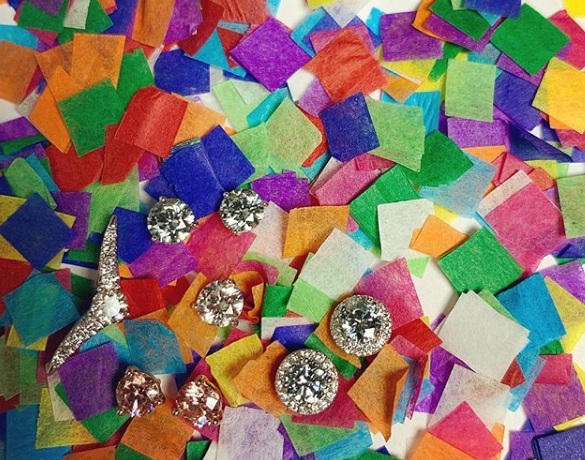
A $ 90 billion market
This new segment represents only between 1% and 10% of a global diamond market valued at more than $ 90 billion. But their production for jewelery is increasing. The diamonds made by the hand of the man are now of better quality, they are also bigger. And they are beginning to appeal to consumers, the youngest in particular.
Zimbabwe has just opened its diamond sector in Alrosa, one of the world’s leading producers of precious stones. The Russian group, which stopped working in the East African country in 2016, is going to develop mining operations there with the support of the government. No other major producer is active today in Zimbabwe.
Rio Tinto left in 2015 and De Beers for more than ten years. Mostly owned by the Russian state, Alrosa has so far focused primarily on Russia. Its main asset outside the country is in Angola, where it has a stake in the Catoca mine, one of the largest in the world.







1 Comment