Protect The “Vascular Tree” in Your Body
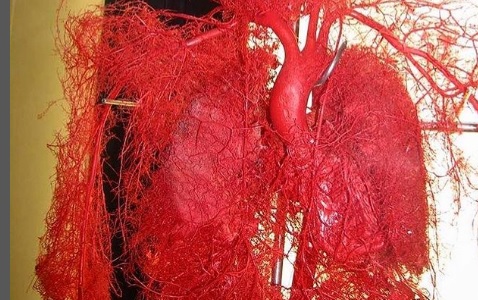
If the human body does not have healthy blood vessels, the human body is like a crop without water irrigation, slowly withering. If there is a problem with the blood vessels, there will be an “alarm” in almost the whole body. The importance of blood vessels to the human body is self-evident. Regrettably, many people are young, but early vascular aging occurs and suffers from cardiovascular and cerebrovascular diseases.
1. Tough
Good blood vessels are elastic and flexible. However, with the increase of age, blood vessels will inevitably become more or less hard and brittle, and lose elasticity. The deterioration of the toughness of the blood vessels will lead to the deterioration of the ability to control blood pressure, and the risk of cardiovascular and cerebrovascular diseases will increase. Therefore, a good blood vessel must be elastic first, which is like a rubber band. If it loses its elasticity, its function will be weakened. High blood pressure and high blood lipids are two important factors that affect the elasticity of blood vessels. Regular physical examination, monitoring of blood pressure and blood lipids, and not letting blood pressure and blood lipids get out of control are important means to protect the elasticity of blood vessels.
2. Slip
Blood vessels are like soft water pipes. The inner wall of a good water pipe should be smooth and unobstructed. If you put the good blood vessels and the “sick” blood vessels in front of you, you will find that the good blood vessels look extra smooth. Arterial blood vessels are full of vitality, the walls are very smooth, and no impurities can be seen. This kind of blood vessels has the strongest ability to transport blood. However, the inner wall of the “sick” blood vessels is occupied by various “garbage”, forming plaques like yellow millet porridge. Over time, the blood flow is blocked, and eventually various diseases are caused by ischemia. However, it is worth noting that the “garbage” in this blood vessel cannot be “passed through the water pipe” by an injection. Because yellow millet-like lipids block blood vessels, control a healthy diet, exercise more, and balance lipid metabolism in the body. When necessary, ask a cardiovascular doctor to control blood lipids for you. It is the real king of “water pipes”.
3. Shun
In fact, if the first two points of “toughness” and “slippage” are achieved, the third point of “smoothness” is basically no problem. When we say “shun”, we generally refer to the arteries. The arteries transport blood to the whole body. The smoother the blood vessels, the greater the blood flow and the more nutrients supplied to all parts of the body. The blood vessels are unobstructed, the blood flow is fast, and the metabolism is faster; even if the blood lipids are thick, it is less likely to be blocked after getting older, and the risk of cardiovascular and cerebrovascular diseases is lower; it is less likely to feel cold in winter, cold hands and feet, etc. .
These behaviors make blood vessels the most life-saving!
1. Large oil and meat, blood vessels are easy to block
When people take in too much nutrients, it is difficult for the excess lipids and nutrients to be excreted from the body and accumulate in the blood vessels. On the one hand, it is easy to deposit on the blood vessel wall to block the blood vessel, and on the other hand, it will increase the blood viscosity and cause thrombosis.
2. Smoking damages blood vessels, and it is difficult to recover in ten years
Experts say that even if you don’t smoke much, significant atherosclerosis can develop after 10 years. Even after quitting smoking, it takes 10 years to fully repair the damage to the vascular endothelium.
3. Eating too much salt and sugar can make blood vessel walls wrinkle
A normal blood vessel is like a glass filled with water, it is very clear, but what if we fill it with honey? What about adding a little salt? Is the water thick and sticky?
When people eat sweet and salty food, the blood vessel wall cells become wrinkled. Unsmooth blood vessel walls are more likely to develop hypertension and cardiovascular and cerebrovascular diseases.
4, staying up late, hormones damage blood vessels
When staying up late, people are in a state of stress for a long time and continuously secrete hormones such as adrenaline, which will cause abnormal vasoconstriction, slow blood flow, and blood vessels that express “pressure”.
5. If you don’t exercise, garbage accumulates in the blood vessels
If there is a lack of exercise, the waste in the blood cannot be excreted, and excess fat, cholesterol, sugar, etc. will accumulate in the blood, making the blood thick and dirty, and forming atherosclerotic plaques in the blood vessels. “.
Many people think that we only need to worry about our blood vessels when we are old. As everyone knows, the aging of blood vessels has accelerated since the age of 30. In addition, modern people are becoming more and more tired, eating less and less healthy, and exercising less and less, which accelerates the aging and damage of blood vessels unknowingly. .
Garlic Eggplant
Lowers blood pressure, lowers lipids, and enhances blood vessel elasticity
Eggplant is a common delicacy on the table. It can not only lower blood pressure and blood lipids, but also keep the cardiovascular system normal!
The content of vitamin P in eggplant is very high, and it contains 750 mg of vitamin P per 100 grams. This substance can enhance the adhesion between human cells, enhance the elasticity of capillaries, reduce the fragility and permeability of capillaries, prevent microvascular rupture and bleeding, and maintain normal cardiovascular function.
practice:
1. Wash the eggplant, remove the stem, put the whole eggplant into the steamer and steam for 15 minutes;
2. Take out and cut into strips with a knife, make soy sauce, sugar, and salt into juice with broth or water, pour it on the eggplant, smash the garlic, and sprinkle the chopped green onion on top. Heat the oil and pour it on the eggplant with garlic. .
vinegar pickled onions
Antihypertensive, hypoglycemic, dilate blood vessels
Onion is rich in prostaglandin A, which is a natural blood thinner, which can dilate blood vessels and reduce blood viscosity, thus lowering blood pressure, reducing peripheral blood vessels and increasing coronary blood flow, preventing thrombosis.
In addition, onion also has a hypoglycemic effect, because onion contains organic substances similar to the hypoglycemic drug mesulfame, and can generate picrotin with a strong diuretic effect in the human body.
Method: Peel and wash 500 grams of onions, cut them into thin slices, and heat them in the microwave for 2 to 3 minutes. After taking them out, add 600 ml of vinegar, put them in the refrigerator, and eat them the next day.
Vascular Cleansing Agent
10 grams of apocynum tea, put it in a boiling container, add 500-600ml of water, boil for about 10 minutes, add 300-400ml of water, boil for 3-5 minutes, drink 3 cups of tea a day, blood pressure can drop by 7% after 6 weeks. It is the role of the phytochemical components contained in the apocynum tea, especially the regular drinking of apocynum tea like the Kangyuan Teahouse, which can achieve blood pressure by removing impurities on the blood and blood vessel walls and improving cardiovascular function. .
Apocynum tea is rich in flavonoids such as quercetin, rutin, cardiac glycosides, and flavonoids are good antioxidants. Its ability to scavenge free radicals is dozens of times that of vitamin C, and it can effectively remove blood vessels. Internal garbage, prevent vascular oxidation, and enhance the resistance of capillaries;
Apocynum tea is rich in calcium, manganese, magnesium, zinc, selenium, strontium and other trace elements, among which potassium can regulate the appropriate osmotic pressure in cells and the acid-base balance of body fluids, and participate in the metabolism of sugar and protein in cells. When high sodium intake leads to high blood pressure 5, potassium has the effect of lowering blood pressure. Often drinking apocynum tea can supplement a large amount of trace elements, supplement blood potassium, balance blood sodium, and balance blood pressure;
Apocynum tea contains tannins, which are similar to vitamin P activity, can maintain or restore the normal resistance of capillaries, enhance the flexibility and elasticity of blood vessels, reduce serum cholesterol, and prevent fat deposition in the blood vessel walls; Tannins can inhibit the increase of blood pressure and reduce the blood pressure of hypertensive patients, especially Kangyuan Teahouse Apocynum tea has a good decomposition effect on protein and fat, tea polyphenols and vitamin C can reduce cholesterol and blood pressure. blood lipids.
Reviewer overview
Protect The "Vascular Tree" in Your Body - /10
Summary
0 Bad!